
Questions people often bring before reaching out
FAQ
When is counseling actually helpful?
Many people do not reach out only when things have already escalated.
Often, there is a growing sense of getting stuck in the same patterns: conversations keep ending the same way, conflicts repeat themselves, emotional closeness becomes more difficult or important decisions start to feel overwhelming and unclear.
Some people come alone, others as a couple. Some are navigating an acute crisis, while others want to better understand themselves, their relationship dynamics or recurring emotional patterns.
Counseling can be helpful when something no longer feels quite right, even if it is difficult to put into words yet.
Do you work with non-traditional or non-monogamous relationships?
Yes.
I work with people in a wide range of relationship structures and life contexts, including open relationships, consensual non-monogamy and queer partnerships.
The focus is not on evaluating or defining what a relationship “should” look like, but on understanding how people relate to each other within the structure they have chosen.
What often becomes relevant are communication patterns, unmet needs, uncertainty, jealousy, different expectations or recurring relational dynamics, rather than the relationship model itself.
Counseling can support creating more clarity, emotional understanding and conscious ways of navigating these dynamics, regardless of the form a relationship takes.
Does a relationship have to be in crisis before couples counseling makes sense?
Not at all.
Many couples reach out long before they are considering separation or feel their relationship is “failing”.
Often, the goal is to better understand recurring dynamics, improve communication or navigate changes in the relationship more consciously before disconnection, resentment or constant conflict take over.
Some couples come in because conversations keep turning into the same argument. Others notice emotional distance growing, struggle with changing needs or feel unsure how to move forward together.
Counseling can be helpful not only during crises, but also when people want to approach their relationship with more awareness, reflection and intention.
Relationships change over time. Seeking support does not automatically mean that something is broken, it can also mean that the relationship matters enough to look at it more closely.
What topics can I bring into individual counseling?
Individual counseling can be helpful when you are looking for more clarity, change or orientation in some area of your life.
This may relate to relationships, work, identity, emotional overwhelm, life transitions or recurring patterns in the way you relate to yourself and others.
People often come in with topics such as self-doubt, difficult decisions, inner conflict, emotional exhaustion, uncertainty about relationships or the feeling of repeating the same dynamics again and again.
The goal is not to “fix” yourself, but to better understand the patterns, emotional dynamics and contexts shaping your current situation and to create more clarity and room for conscious decisions.
What does counseling with you look like?
At the beginning, the focus is on understanding your situation, what feels most present right now and what you are struggling with or trying to make sense of.
In the first sessions, we look at the patterns, dynamics and themes that are shaping your experience and what you would like to understand or change.
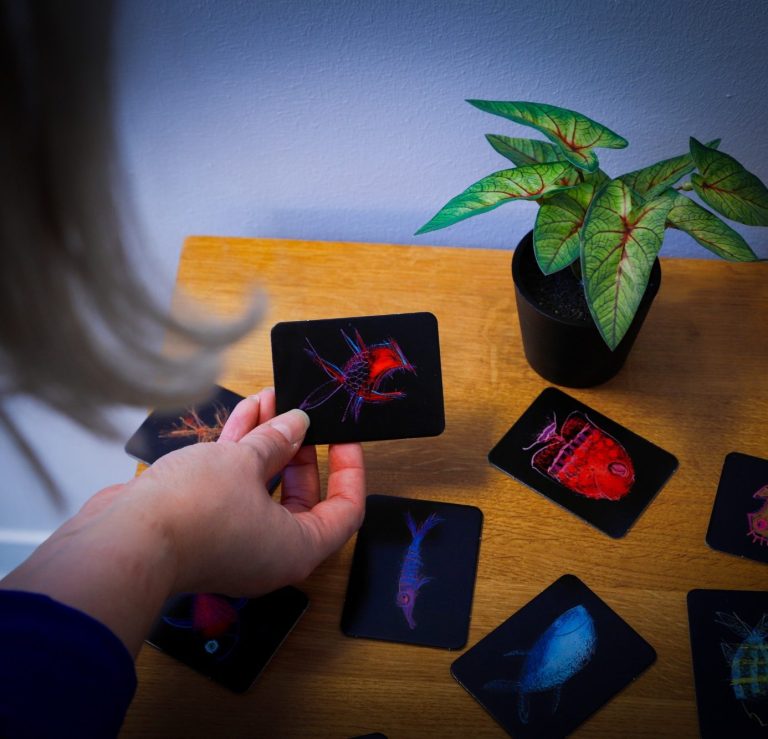
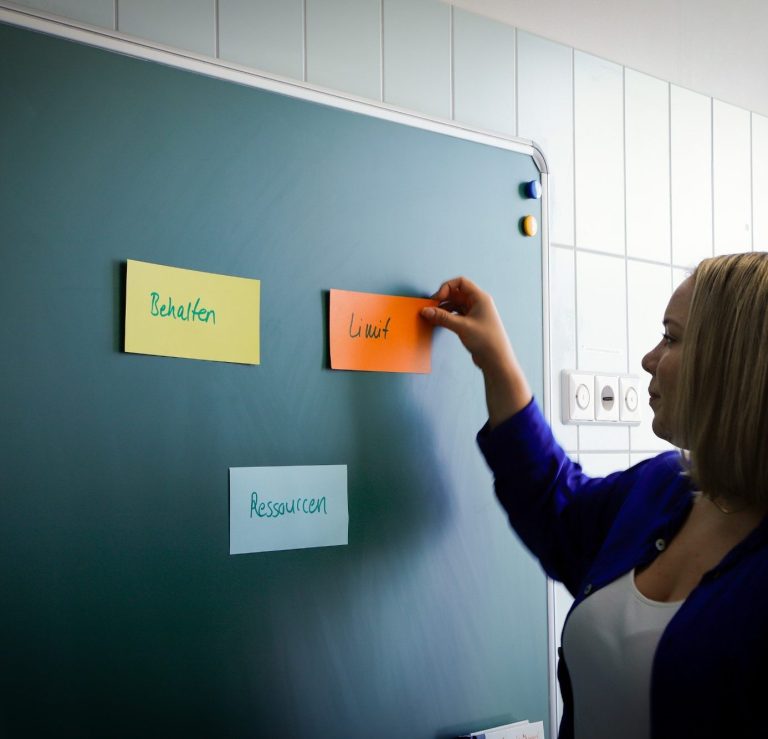
Depending on what is helpful for you, the process can take different forms. Most of the work happens through conversation, sometimes supported by systemic questions, shifts in perspective or creative methods influenced by art therapy.
There is no fixed structure that every session follows. Instead, the work is guided by what feels relevant and useful in your specific situation.
The aim is to create more clarity, emotional understanding and space for new ways of responding.
Before starting, we usually have a free initial consultation. This is a short conversation to explore your situation and see whether working together feels like a good fit for both sides.
What happens if I need to cancel a session?
If you are unable to attend a session, please let me know as early as possible.
Cancellations up to 24 hours before the appointment are free of charge.
For late cancellations or missed sessions without notice, a cancellation fee applies, as this time is reserved specifically for you.
If something unexpected or urgent comes up, we can of course look at the situation together and find a solution.
Is everything confidential?
Yes. Everything you share in counseling is treated as confidential.
This means that the content of our sessions is not shared with third parties.
Confidentiality is an essential part of the counseling process, as it allows you to speak openly, including about difficult, sensitive or very personal topics.
There are only a few legally defined exceptions, which I would always address transparently with you if they become relevant.
What is the difference between couples counseling and couples therapy?
Systemic counseling is not psychotherapy and does not involve medical diagnosis or treatment.
It is aimed at people who want to reflect on personal, relational or professional challenges and are looking for more clarity, orientation or change in their life.
The focus is less on diagnosing an individual “problem” and more on understanding the patterns, relationships and contexts that shape a situation; for example in relationships, family systems, work environments or internal emotional dynamics.
Rather than centering on diagnosis or treatment, systemic counseling emphasizes reflection, awareness and practical ways of navigating current challenges and possibilities for change.
What is the difference between couples counseling and couples therapy?
In everyday language, the terms “couples therapy” and “couples counseling” are often used interchangeably when people look for support in their relationship.
In my practice, I work within the framework of systemic couples counseling.
Both approaches can support couples in improving communication, understanding recurring relationship patterns and reconnecting with each other on a more conscious level.
Couples therapy is typically a psychotherapeutic setting that may include clinical diagnosis and treatment.
Systemic couples counseling, on the other hand, is a non-medical, resource-oriented form of support for people who want to reflect on and actively shape their relationship without requiring psychotherapy.
Many couples searching for “couples therapy” actually find that systemic counseling fits what they are looking for.
Do you offer online counseling?
Yes, I offer systemic counseling both in-person in Trier and online.
Many people choose online sessions because they can be more easily integrated into everyday life, or because they feel more comfortable and at ease in their own environment.
Both formats are equally possible. We can decide together what fits best for your situation.